A nightstand should be easy to reach from bed, fit the space beside it, and hold what you need at night. The most important number is its height compared with the top of your mattress. Brands give slightly different ranges, so this guide shows common numbers and where the advice differs.
How tall should a nightstand be?
- Most guides say the top of the nightstand should be close to the top of your mattress. Birch Lane says within about 3 inches. Wayfair says within about 2 to 3 inches, or up to 6 inches in another guide.
- Slightly lower than the mattress is often easier to reach in the dark.
- Standard nightstands are about 22 to 28 inches tall. Tall nightstands are over 30 inches, for high beds.
- To find your target, measure from the floor to the top of the mattress (bed frame plus mattress).
Width and depth
| Size | Width | Good for |
|---|---|---|
| Narrow | under 21 in | Twin beds and tight spaces |
| Standard | about 21 to 28 in | Full, queen and king beds |
| Wide | over 28 in | Large rooms and big beds |
Widths are from Wayfair, Birch Lane and Joss and Main. Depths vary more. Make sure the nightstand does not stick out past the bed so far that it blocks the walkway.
How far from the bed?
- Leave a small gap between the bed and nightstand, about 3 to 6 inches (Birch Lane, Saatva), so sheets and blankets do not catch.
- Keep a walkway beside the bed. Homes and Gardens suggests about 24 to 30 inches beside a queen and 30 to 36 inches beside a king, and at least 18 inches in a small room.
Drawers, shelves and charging
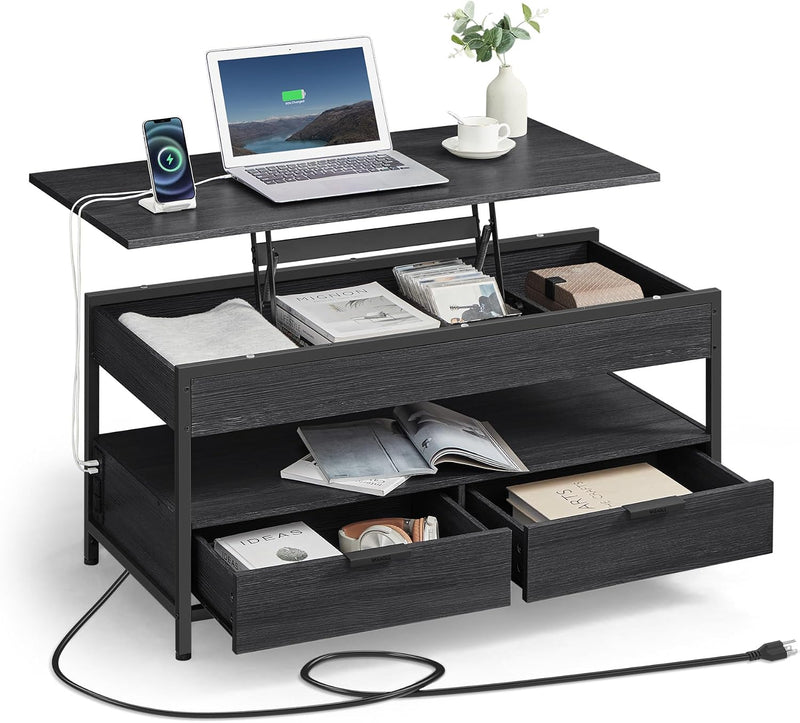
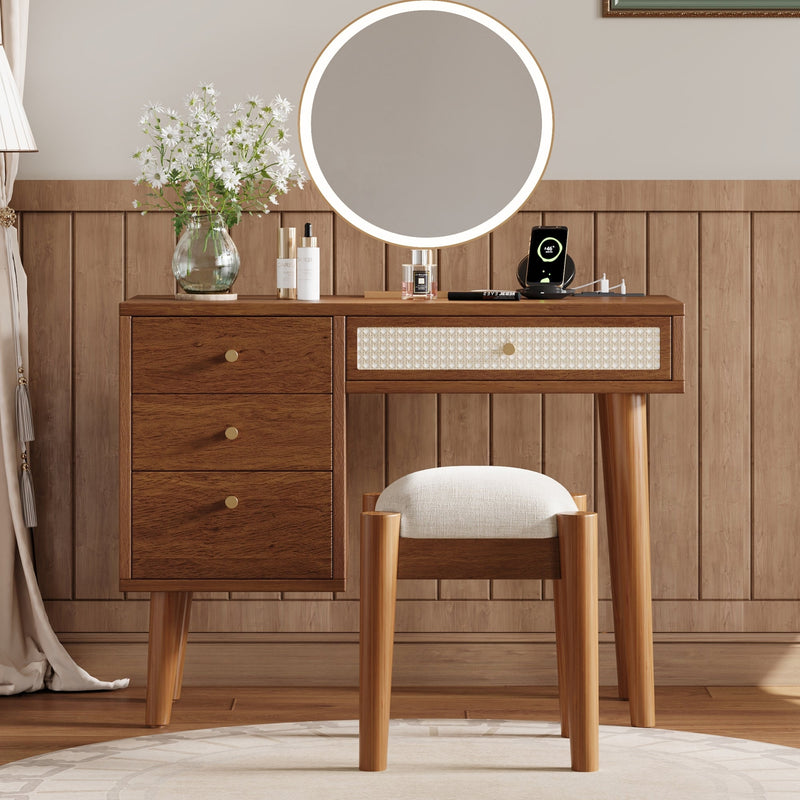
- Drawers keep the top clear and hide clutter. Soft-close drawers are quieter at night.
- Open shelves are handy for books, baskets or a phone charger.
- Charging stations with outlets or USB ports keep cords tidy. Check the product page for the ports and power rating.
Do nightstands have to match?
No. Matching nightstands look classic and balanced. Mixed pieces can work well too if their heights are close and the colors or materials relate to each other.
Safety
The U.S. clothing storage safety rule (16 CFR 1261) covers free-standing units that are 27 inches or taller and meet its weight and storage limits. Many nightstands are shorter than 27 inches, but tall ones may be covered. Either way, keep heavy items low and use the anti-tip hardware if one is included, especially in homes with young children.
Quick checklist
- Measure floor to mattress top and pick a nightstand within a few inches.
- Check the width fits the space and keeps a walkway.
- Leave 3 to 6 inches between bed and nightstand.
- Choose drawers, shelves or charging based on what you keep by the bed.
Shop nightstands in our bedroom furniture collection, or read our bed frame size guide and dresser size guide.
Related guides: Wireless Charger Buying Guide
Shop this guide
Browse our Bedroom Furniture with free standard shipping to the contiguous US.


Frequently asked questions
How tall should a nightstand be compared to the bed?
Close to the top of your mattress, usually within about 2 to 6 inches. Level or slightly lower is easiest to reach.
What is the standard nightstand height?
Most nightstands are about 22 to 28 inches tall. Tall nightstands over 30 inches suit high beds.
How wide should a nightstand be for a queen or king bed?
About 21 to 28 inches wide is standard for full, queen and king beds. Wider models over 28 inches suit large rooms.
How far should a nightstand be from the bed?
Leave a small gap of about 3 to 6 inches so bedding does not catch.
Do nightstands need to be anchored?
Many nightstands are short, but tall ones can tip. Keep heavy items low and use the anti-tip hardware if one is included.