A dresser is one of the biggest pieces in a bedroom, so size matters. This guide covers the main types, standard sizes, how much room to leave in front, and what to check for quality and safety. Retailers give slightly different ranges, so we show common numbers.
Dresser vs chest
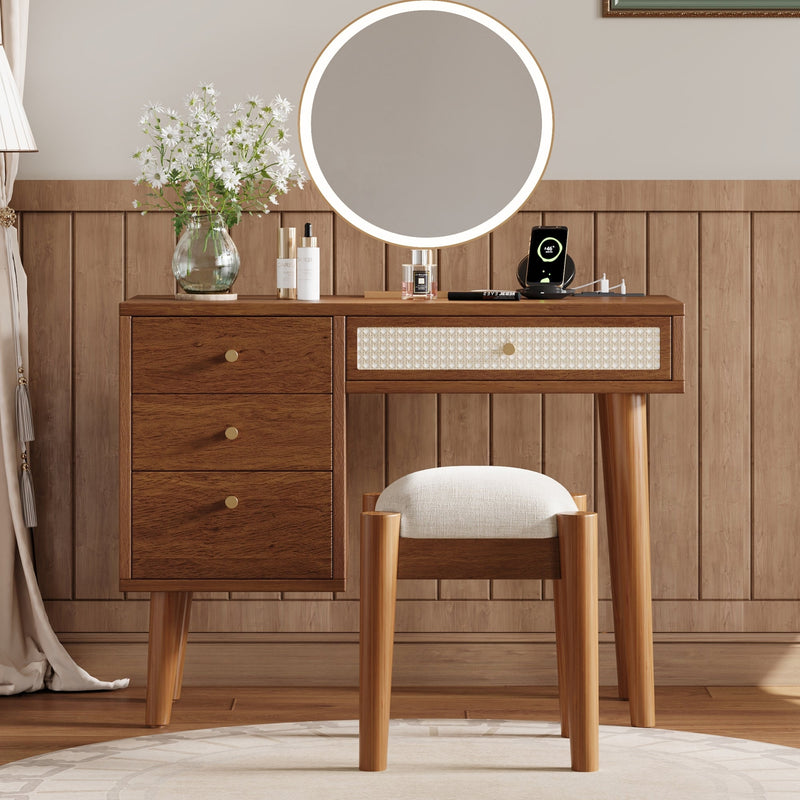
- Dresser (double or horizontal): wide and low, often with 6 to 9 drawers in two or three columns. The top doubles as a surface for a mirror, lamp or TV.
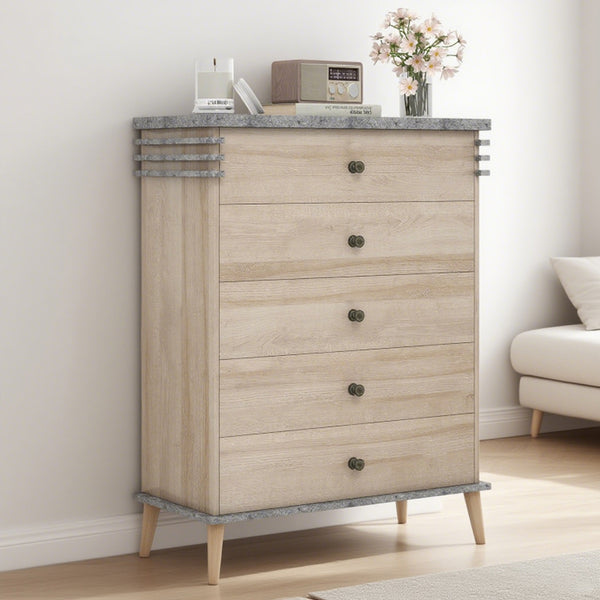
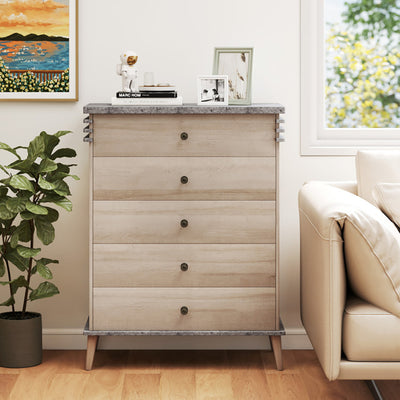
- Chest (vertical): tall and narrow, with drawers stacked in one column. Good when wall space is limited.
- Lingerie chest: a taller, slimmer chest with many small drawers.
Standard dresser sizes
| Width | Height | Depth | |
|---|---|---|---|
| Dresser | about 35 to 60 in | about 30 to 50 in | about 16 to 24 in |
| Chest | about 30 to 40 in | about 44 to 60 in | about 16 to 20 in |
Ranges are from Wayfair and Joss and Main. A six-drawer double dresser is often around 47 to 60 inches wide.
Leave room to open the drawers
- Wayfair and Joss and Main suggest about 36 inches of clear floor in front of a dresser so you can pull drawers out and stand in front.
- Check that drawers will not hit the bed, a door or a radiator when open.
- Measure the wall space too. Joss and Main suggests about 60 to 70 inches of wall for a double dresser.
Mirror and TV on a dresser
- A mirror above a dresser often looks best at about 2/3 to 3/4 of the dresser width (Castlery).
- If you put a TV on a dresser, choose a dresser wider than the TV base and anchor both the dresser and the TV.
Drawer quality
- Joints: dovetail joints are stronger than nails or staples (HGTV).
- Glides: metal ball-bearing glides run smoother and last longer than plastic tracks.
- Materials: solid wood is the most durable. MDF and particleboard with veneer cost less and are common. Check the weight limit for drawers on the product page.
Anchor it: tip-over safety
Dressers are one of the most common furniture tip-over risks for young children. The U.S. clothing storage rule (16 CFR 1261) covers free-standing units 27 inches or taller that meet its weight and storage limits, and requires a tip restraint in the box for units made after September 1, 2023. Always anchor a dresser to the wall, keep heavy items in the lower drawers, and do not let children climb on drawers.
Quick checklist
- Measure the wall width and height (including any window sills).
- Leave about 36 inches in front for drawers.
- Pick a dresser for wide spaces or a chest for narrow ones.
- Plan to anchor it to a wall stud.
Shop dressers in our bedroom furniture collection, or read our nightstand size guide, wardrobe closet guide and mirror size guide.
Shop this guide
Browse our Bedroom Furniture with free standard shipping to the contiguous US.


Frequently asked questions
How wide is a standard dresser?
Most dressers are about 35 to 60 inches wide. A six-drawer double dresser is often around 47 to 60 inches wide.
How much space do you need in front of a dresser?
About 36 inches of clear floor is a common guideline so you can open the drawers and stand in front.
What is the difference between a dresser and a chest?
A dresser is wide and low with drawers side by side. A chest is tall and narrow with drawers stacked in one column.
How deep is a standard dresser?
Usually about 16 to 24 inches deep, with many around 18 to 20 inches.
Do dressers need to be anchored to the wall?
Yes. Dressers can tip over, so anchor them to a wall stud with the tip restraint and keep heavy items in the lower drawers.