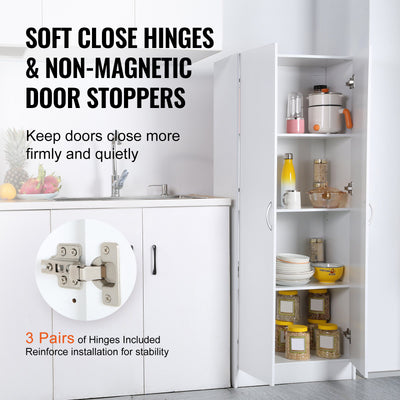
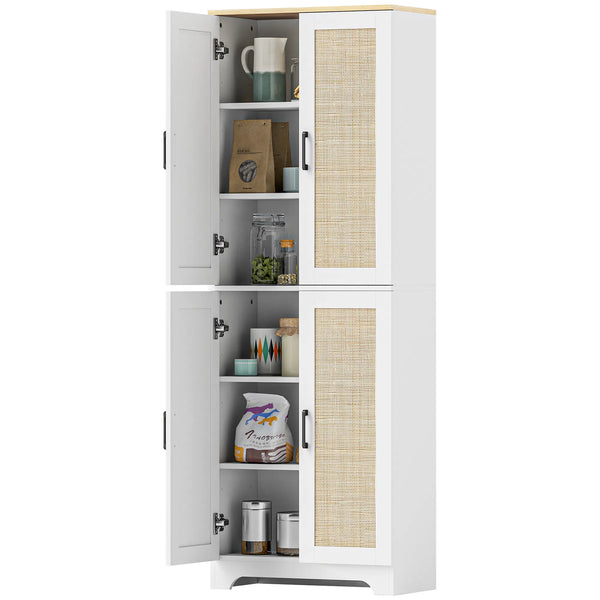
A freestanding pantry cabinet adds food and kitchen storage when you do not have a built-in pantry. It is also handy in a dining room, laundry room or garage. This guide covers sizes, shelves, materials and setup so you can pick one that fits and stays safe.
Common pantry cabinet sizes
- Freestanding pantries vary a lot. Guides list widths from about 18 to 36 inches and depths from about 12 to 24 inches.
- Tall pantries are often about 5 to 6 feet tall. Shorter storage cabinets work under a window or beside a counter.
- Measure the floor space, the ceiling height and any baseboard or outlet behind the cabinet.
Shelf depth: deeper is not always better
- One cabinet maker suggests about 12 to 14 inch deep shelves at eye level and 16 to 18 inches for bulky items on the bottom.
- Very deep shelves let cans and jars get lost at the back. Bins or turntables help.
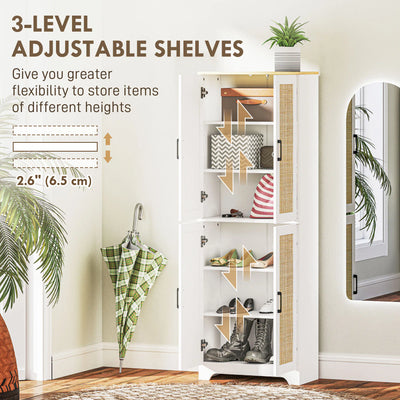
- Adjustable shelves let you fit cereal boxes, small appliances and tall bottles.
Doors, drawers and pull-outs
- Two-door cabinets are simple and keep things dust free.
- Drawers are good for snacks, foil and wraps.
- Pull-out or roll-out shelves bring items at the back into view.
- Open shelves or a microwave shelf are useful if you want to reach things fast. Check the listing for the shelf size and weight limit before putting an appliance on it.
Leave room for the doors
Hinged doors need space to swing. A simple tip from one buying guide is to allow about a foot or more beyond the cabinet depth so the doors can open and you can stand in front. Check that doors will not hit a fridge, counter or wall.
Materials and weight limits
- Most freestanding pantries are made of MDF, particleboard or engineered wood. They cost less than solid wood but are less sturdy.
- Shelf weight ratings vary a lot between models. Check the listing, spread weight evenly and keep heavy items on lower shelves.
- Keep the cabinet away from water spills and direct steam.
Anchor tall cabinets to the wall
Tall cabinets can tip over, especially with doors open or drawers pulled out. The CPSC Anchor It campaign recommends anchoring furniture and keeping heavy items low. The U.S. STURDY rule covers clothing storage furniture such as dressers, not pantries, but anchoring a tall pantry is still a smart step. Use the anti-tip kit if one is included, and the right screws for your wall type.
Assembly tips
- Most freestanding pantries come flat packed and need assembly.
- Check all parts before you start, and build it near where it will stand.
- A second person helps when standing a tall cabinet up.
Shop pantry cabinets in our dining room furniture collection, see kitchen appliances, or read our home storage and organization guide.
Related guides: Bar Stool Height Guide
Related guides: Small Kitchen Appliance Buying Guide · Coffee Maker Guide
Shop this guide
Browse our Dining Room Furniture with free standard shipping.



Frequently asked questions
What size is a freestanding pantry cabinet?
Sizes vary a lot. Many are about 18 to 36 inches wide and 12 to 24 inches deep, and tall pantries are often about 5 to 6 feet high. Measure your space first.
How deep should pantry shelves be?
About 12 to 14 inches is easy to see into at eye level. Deeper shelves suit bulky items lower down but can hide small items at the back.
Should a freestanding pantry be anchored to the wall?
Yes. Tall cabinets can tip, so anchor it to the wall with the included kit or proper hardware and keep heavy items on the lower shelves.
Is MDF or solid wood better for a pantry cabinet?
Solid wood is sturdier but costs more. MDF and engineered wood are common and affordable. Check the shelf weight rating either way.
How much room do pantry doors need to open?
A simple guide is about a foot or more beyond the cabinet depth so the doors can swing and you can stand in front.