The right yard gear makes gardening and outdoor chores easier. This guide covers the main things to check before you buy.
Raised planters and garden beds
- Measure the spot and check the bed size on the product page, including height. Taller beds mean less bending.
- Pick a place with the sun your plants need. Beds with an open bottom drain well and let roots grow deep.
- A crop cage or cover helps keep birds and small animals away from vegetables.
Compost bins
- Check the capacity in gallons. Larger bins suit bigger yards and more kitchen scraps.
- Look for air vents; air helps scraps break down. Mix green scraps (food, grass) with brown ones (leaves, paper).
- Place the bin on soil in a spot that is easy to reach all year.
Carts, wagons and hose reels
- Check the load rating and the tire type for your ground (grass, gravel or paved).
- Folding wagons store flat; dump carts make it easier to unload soil and mulch.
- For hose reels, match the hose length and diameter listed on the product page.
Greenhouses, gazebos and fire pits
- Measure the ground area and check the height. Anchor shelters as the instructions say, and take down fabric covers before strong wind or heavy snow.
- Keep fire pits on a non-flammable surface, away from buildings and overhanging branches, and follow local fire rules.
Shipping
Every order ships free to the contiguous US (48 states + DC), with tracking. Each product page shows its own delivery estimate.
Shop this guide
Browse our Outdoor & Garden with free standard shipping to the contiguous US.


Outsunny Garden Compost Bin, 80 Gallon, Black
$84.99
Size: 23.8 L x 23.8 W x 32 H in
Free delivery 4–8 business days

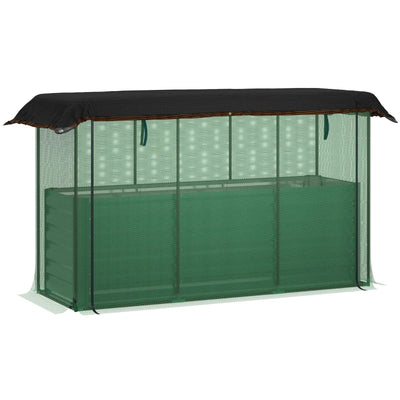
Outsunny Galvanized Steel Raised Planter Box with Crop Cage and Shade Cloth, Green
$109.99
Size: 72.8 L x 25.6 W x 43.25 H in overall
Free delivery 4–10 business days


VEVOR Dock Ladder, 4 Removable Steps, 350 lb Capacity, Aluminum Pontoon Boat Ladder
$124.99
Free delivery 3–8 business days


VEVOR Truck Bed Tent for 6.4-6.7 ft Pickup Beds, Double Layer with Rain Fly and Carry Bag, 2-3 Person
$99.99
Free delivery 3–8 business days
Frequently asked questions
How big should a raised garden bed be?
Check the space you have and the bed size on the product page. A bed you can reach across from the sides makes planting and weeding easier.
Where should I put a compost bin?
Put it on soil, in a spot that is easy to reach all year, with some airflow around it.
Do gazebos and greenhouses need to be anchored?
Yes. Anchor them as the product instructions say, and remove fabric covers before strong wind or heavy snow.